When choosing a place for you or a loved one, tight-knit senior living communities have amazing advantages. To see all of the benefits, you have to experience it for yourself. There are so many advantages, but here are our top three reasons why tight-knit senior living communities, like Hearthside, are the place for you or your loved one.
Team Members Treat Residents Like Family
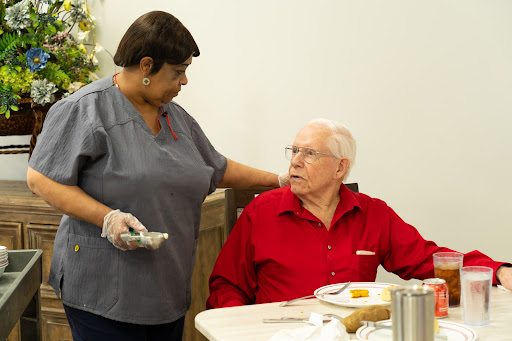
The small community at Hearthside Senior Living creates a tight-knit environment with impactful relationships. Everyone gets to know each other, and the close environment allows for strong relationships among residents and team members. This makes the community more of a family environment.
“I treat every resident like they are my grandmothers and grandfathers. It’s just a really loving environment.” – Alisha Birchett, Activities Manager
The team knows the importance of their roles and puts as much love and attention into every aspect of their roles at Hearthside. With a smaller tight-knit community, Hearthside brings people together.
Family Members are Involved and Can Relax
When looking for a place for a loved one, the whole aspect can be daunting for everyone involved, not just the new resident. Becoming a part of a new community, moving, and wanting to make sure your loved one is getting the care they deserve is the main focus. This can cause the time you have to share together to become jumbled, chaotic, rushed, or a combination of all three. We want the experiences of our residents and their family members to be one that everyone involved can be themselves and have the freedom to enjoy each others’ company. Families can relax and enjoy their visits knowing that every need is being fulfilled.
“After a few months of being here, I basically know everyone here. It’s funny, I was telling my mom, ‘our family has really grown since we’ve been out at Hearthside.’” – Cathey Sweeny, Assisted Living Family Member
At Hearthside, family members can be involved as much as they wish. Being part of the Hearthside family means your family is our family, it’s as simple as that. We design our spaces and programs to make all family members feel welcome. With a family parlor, family fellowship, and a variety of daily activities, there is something for every member of the family to do while visiting. Without the stress of worrying about getting necessary tasks completed, everyone is free to enjoy their shared time together.
The Quality of Care
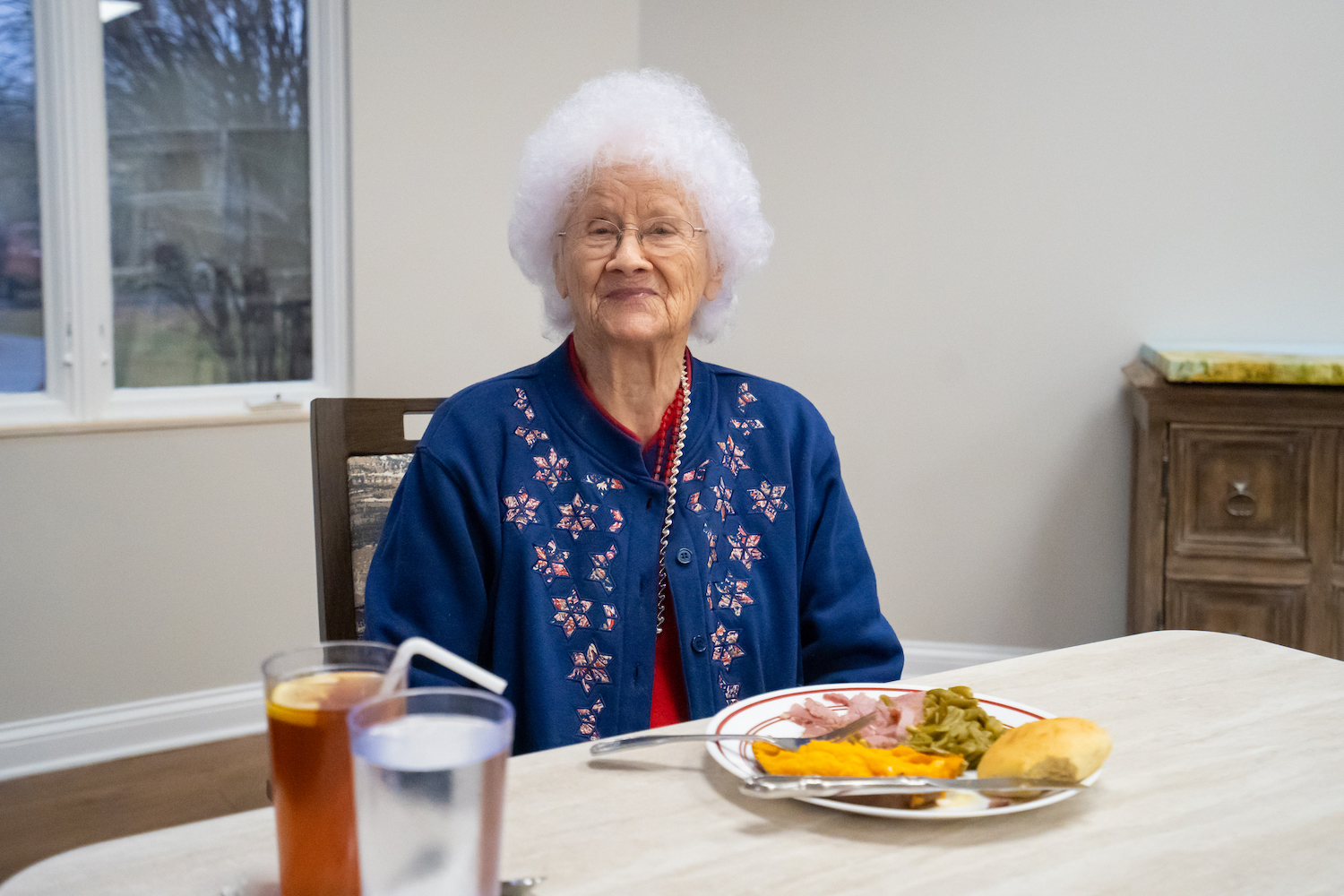
Quality of care refers to the degree to which services provided to residents meet established standards of safety, effectiveness, patient-centeredness, timeliness, and efficiency. Above all else, Hearthside knows the importance of quality of care. For example, quality of food is on everyone’s quality checklist, and that comes as no surprise. With 3 meals everyday, having choices and food you enjoy is a vital part of making any community home. With smaller home-style communities, our team can give each resident more individualized attention and care. The personalized and homestyle cooking gives the opportunity for our chefs to get to know the tastes and preferences of all of our residents.
“They do my washing, cooking, and cleaning. It’s home. It has given my family the freedom to move around as they want to, and it has given me the freedom to be free from them and do what I want to.” – Betty, Assisted Living Resident
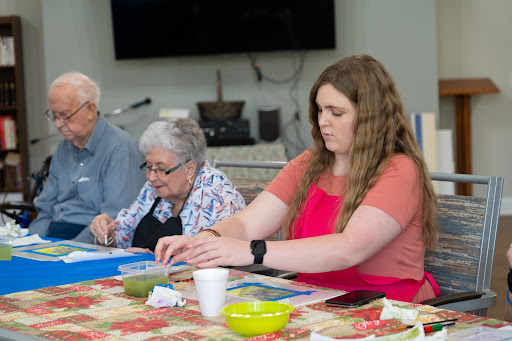
We strive to provide residents their independence by helping them in their needs to give them freedom to do as they wish. There are many activities and trip opportunities every day, bringing more options to choose from to every resident. We encourage residents to participate in as many activities as they want to and love when families join in too.
We know moving is a big decision. Contact us at Hearthside to join us for a visit and let us answer your questions.
Could it be time for you or your loved one to move to a retirement community but the stigma in retirement communities makes you reconsider? It can be easy to form assumptions or beliefs about certain topics, especially when it comes to retirement communities. Many children feel guilty when suggesting their parents consider a move to an independent living community. The truth is modern retirement communities are helping seniors live a more independent and comfortable life.
Independent living communities provide a much-needed safe, carefree, and social space to those needing assistance as they age. Independent living communities are also a great option for seniors who are looking to downsize and simplify their lives. Moving your loved one into an independent living community is the best way to make sure your senior gets the most out of retirement years. With access to a wide range of amenities, activities, and services, your loved one can enjoy a safe and comfortable lifestyle.
Here are a few reasons why moving to an independent living community is the best decision for a senior adult:
1. More Independence
While it may seem counterintuitive, retirement communities allow residents to be as independent as ever. As some seniors may not be in the position to handle everyday tasks around the house as well as their personal maintenance, retirement communities preserve their independence. Independent living settings can make residents’ lives easier by handling and assisting with chores and maintenance allowing residents to socialize, relax, and simply enjoy their lives with little pressure. Downsizing makes navigation around one’s living space much easier and safer.
At the end of the day, the health and safety of our residents at Hearthside is our top priority.
2. Worry-Free Life
In an independent living community like Hearthside, a resident can live without the burden of many everyday maintenance tasks. Chores such as cooking, laundry, grocery shopping, cleaning, house maintenance, and lawn mowing are all taken care of. From snow removal and lawn upkeep to appliance repair and housekeeping, a retirement community can provide residents with the support that they need, so they can focus on what’s important.
Retirement doesn’t have to mean loneliness. With more time to socialize than ever before, independent living residents can have a busy social life with family, caretakers, and peers. Studies have proven that a strong social life has a direct impact on mental health and physical well being in senior adults. Living in the same place as peers who are in similar stages of life can greatly improve the attitudes and lives of independent living residents. Plus, a maintenance free lifestyle with lots of free time gives seniors the opportunity to bond over activities and events.
Activities at Hearthside often include:
Performances and entertainers
Sunday church and Bible study
Fitness activities
Cards and game events
Event and holiday celebrations
Movie nights
4. Financial Stability
Being a homeowner is the dream of many Americans. However, even owning a home comes with its expenses and worries. Home repairs, property taxes, utility bills, property insurance, upkeep of the house and the yard can take a toll on one’s budget. Add laundry, grocery shopping, cooking and cleaning, and it takes a significant chunk of money every month – not counting a personal caregiver’s fees. However, once a senior moves into an independent living community, paying bills gets much more simple!
5. Better Relationship with Family
As one’s health starts to decline, many times children take on the role of a caregiver, which could result in financial and emotional difficulty for the family. A child who takes on the role of a caregiver is usually forced to make career sacrifices, which may lead to financial hardships and discontent. In 2020, 48 million Americans served as unpaid caregivers for their loved ones. This situation can be further complicated by the strain it puts on family relationships. Fortunately, retirement communities often help to solve this problem by taking on the primary caregiver’s responsibilities allowing family members to have a substantial, stress-free relationship and spend quality time with their loved one.
Retirement is an exciting time, and aging adults should have the opportunity to continue to live independently without the stress and pressure of their younger years. At Hearthside, we provide residents with a comprehensive package of services and amenities to achieve the mission of maximizing residents’ quality of life.
Hearthside Senior Living was intentionally designed to help seniors age in place – all within a safe, comfortable, and Christian environment. Our beautiful independent living homes were designed for an independent lifestyle with maintenance-free living as we continue the excellent tradition of independent living for those seniors needing additional services. Contact Hearthside for more information today.
The demand for age-friendly accommodations and neighborhoods has expanded alongside the senior population. In fact, in recent decades the percentage of people settling in senior living communities has increased across all age groups from 65-90.
Today’s older adults have greater wealth than past generations and can afford the best life has to offer – beautiful settings, tailored social activities, fitness programming, exercise facilities, formal dining, and adventure. These highly resourced and active seniors and their families are forward-thinking and therefore desire communities that also have assisted living as a continuing care option. If you are one such person or looking on someone else’s behalf, this article can help you determine
The best time to begin the search.
The right age to consider assisted living.
Key information to expect in making a choice.
Right Timing
The best or “right” time to begin the search for assisted living (AL) is anytime there is a valid concern about a senior’s ability to live alone. Later in life – maybe because of health problems like a fall or other health event – completing activities of daily living (ADLs) like regular bathing are increasingly difficult. Interestingly in Tennessee alone, almost half of all adults in AL are living with a form of dementia.
Grocery shopping and meal preparation may grow challenging due to transportation issues, fatigue, or low vision. If you are a child or caretaker of an older adult, you may be helping as much as you can and cannot be present around the clock. Perhaps you’ve been asked to aid in finding a new living arrangement because the individual can no longer safely navigate their home.
Other signs that it may be time for assisted living include:
Trouble managing household tasks like cleaning or garbage removal
Inability to transfer independently
Frequent medication errors or omissions
Weight loss related to poor intake
Depression due to social isolation, loss, or boredom
Lack of transportation to medical and other appointments
What Assisted Living Offers
Assisted living provides extra help with the functional and essential tasks listed above. Seniors who are forgetful might need medication reminders and administration. Access to nutritious snacks and appetizing meals prepared by culinary professionals is another significant benefit of living within an AL community. Personal care team members assist seniors with ADLs such as mobility, grooming, dressing, or bathing. Care services are tailored to the resident’s needs and planned according to that individual’s priorities.
Life at Hearthside Senior Living
Life in assisted living at Hearthside means the opportunity to enjoy a safe, comfortable lifestyle with private apartments, ample peer interaction, and individualized attention. Located in charming Lebanon, TN, Hearthside Senior Living provides just this kind of welcome as well as offers the following all-inclusive services:
Daily social activities
Housekeeping
Fresh towels and linens
Laundry
Medication management
Basic cable television
Internet (wifi)
Meals
Resident assistance 24/7
A defining characteristic of life at Hearthside is the focus on spiritual community. Hearthside was developed by placing Christian ministry at the center of their operations. The opportunity for Sunday worship in the community is a weekly highlight for many residents.
Age of Assisted Living Residents
The age of older adults moving to AL communities is actually decreasing. For decades the average age of an assisted living resident has been well past age 80. In Tennessee specifically, 54% of AL residents are over age 85. According to the American Senior Housing Association (ASHA), today’s AL residents are predominantly female and around 87 years old. Data also suggests that assisted living residents typically require help with at least two ADLs.
Some seniors choose the traditional retirement age of about 65 to switch to assisted living. This age can be a minimum requirement in some communities. The current trend is for transition between the ages of 75 and 84. It should be noted, however, that the greatest increase is among those 70 to 79 years old, which is indeed a younger cohort!
In truth, there is no prescribed “right age” for assisted living. The choice is a personal one. The decision can be made as soon as individuals no longer wish to live alone or can no longer live independently.
Assisted Living Near You
You may now be wondering, “Where are assisted living places near me or my family member?”
In Middle Tennessee, Hearthside is a nonprofit senior residential community focused on helping older adults make the most out of life. Potential residents and their families will find Hearthside conveniently located less than an hour east of Nashville. Seniors can live independently and securely while remaining fully engaged in life – even if they need extra assistance down the road.
There are hundreds of career paths to choose from. One that sometimes is overlooked is the industry of aging services called “senior living.” For most, choosing to work in the senior living industry is the most rewarding and fulfilling career choice.
Even within the industry, there are many types of jobs with each level of care. In assisted living, oftentimes older adults have moved to a community after a health event such as a fall, surgery or other factor. A community setting allows seniors to maintain their independence while enjoying a safe and enjoyable environment alongside their peers. These residents also require help with one or more activities of daily living (ADLs). There are many rewards in working alongside seniors in their new homes. First, it’s an opportunity to help others, but there are additional advantages to a career in a retirement community that you may not have considered.
1. Serving an Active and Aging Population
Did you know that:
Over 50% of people living in assisted living are over age 85.
Between 2020 and 2050 the number of adults over age 80 is expected to triple.
You may be interested in being part of the movement to support this growing number of seniors, but wondering “where are the assisted living jobs near me?” If you live in Middle Tennessee and want to be of service close to home, then you’ve found an excellent opportunity at Hearthside Senior Living.
Located about 25 miles east of Nashville, in Lebanon, TN, Hearthside offers comfortable, accessible and maintenance-free accommodations including care for those that need extra assistance. That’s where you as a future team member come in—as a provider of skilled and personalized services that benefit others in your community.
2. Experiencing True Teamwork
Certified nursing assistants (CNAs) and other assisted living jobs are an integral part of an interdisciplinary team. The team is made up of members with different skill sets and responsibilities, but have a common goal. That initiative is working together to elevate the living experience for residents to its highest potential.
Through this shared commitment, respect and confidence grow. Team members learn to recognize one another’s contributions to the community’s well-being, security and longevity. This is how trust is established.
3. Finding Meaning and Purpose
Whether you are looking for a job as a CNA or direct care worker or are interested in a position in community maintenance or food or environmental services, finding purpose in what you do matters.
Working in assisted living means an opportunity to make a difference in someone else’s life…every day. Communities such as Hearthside want team members who are motivated by this idea. Being able to co-create a work environment that feels like family is key to job satisfaction, and is why workers stay in senior care positions.
4. Improving Care Outcomes
From theJournal of Aging Studies in 2009, care professionals shared that the “emotional aspect of caregiving provides meaning…through both the satisfaction inherent in relationships and through the effect of relationships on care outcomes.”
What are these care outcomes and how do they improve through connections with assisted living residents?
Relationships outside our own age group encourage intergenerational learning. They also offer the chance for seniors to practice generativity.
“Generativity is the (natural tendency) and willingness to engage in acts that promote the wellbeing of younger generations as a way of ensuring the long-term survival of the species.” -The Psychology of Mattering
The freedom to express oneself openly and share life’s lessons is fulfilling to people, especially in later life. According to science, this opportunity satisfies a developmental goal – to feel valued by having influence and passing on wisdom. The outcome of listening to and engaging in thoughtful interactions with seniors not only can improve loneliness but also
Quality of life.
Mood/motivation.
Functional status.
5. Gaining Marketable Job Skills
As a caregiver, nursing, dining services, or hospitality team member in assisted living you might spend your morning helping residents with ADL’s and then accompany them to lunch. In the afternoon, you might participate or help lead in wellness-related activities or help residents move from their apartment to the activities room.. Evenings might include assisting frail residents with nighttime routines, grooming, bathing, or preparing for rest.
Because of these important contributions, you will build confidence and sought-after job skills. These might include:
Professional team building
Personal care and companion competencies
Medical records training
Time management strategies
Scheduling and transportation coordination
A job in assisted living is a gateway to establishing a career full of purpose and meaningful interactions with others. You’ll share your unique talents within a positive community that is dedicated to caring for its residents. Contact Hearthside to join the team!
As an adult child, it can be difficult to see the signs that our parents need assisted living. Anyone can experience a day when they just cannot keep things straight, with aging it’s no different, but this shift for a senior to care for themselves can be tough to identify. How do we know when our parents need more assistance than we can give?
What Are Signs That My Parents May Benefit From Assisted Living?
For some, when to move a parent into an assisted living community is a very defined life event like a fall or a doctor’s recommendation. However, when it comes to forgetting to lock the door, turn off the stove, or take medication, it’s easy to think this is an isolated incident. This may be a common occurrence and we are only seeing a snapshot of what is currently an everyday rhythm. So how do we know what signs are suggesting a parent may need assisted living and when should we start looking into options?
Signs That My Parent May Need Assisted Living
Here are a few actions that suggest it is time to start thinking about assisted living for your parent:
needs reminders to take medication or that they have already taken their medication.
has had unplanned noticeable weight loss or gain.
is experiencing a loss of mobility or an increase in falls.
shows signs of neglecting household maintenance.
is no longer able to perform daily tasks such as grooming or preparing meals.
is increasingly isolated or has been increasing their own isolation.
What Benefits Do Senior Living Communities Provide That I Can’t?
It can be a tough decision to ask for help when caring for an aging parent. We can’t do everything ourselves, and that’s okay. It takes courage to acknowledge that we don’t have all the skills or time to give to 24/7 care. This is not about how much love we have for our parents, it’s about us making sure our parents have the best quality care that they can, with the people who can give that specialized and skilled attention.
There are multiple different types of senior living communities that offer a variety of levels of care. From independent living to memory care communities, care services are provided to meet the needs of seniors. The best part is that you can custom tailor to the needs of your parent or loved one. This provides your parent with quality personalized care for their needs in a residential setting, all while building a community of support.
Community amenities may include:
3 Meals a Day
Housekeeping
Emergency Call System
Laundry
Wi-Fi
Cable
Medication Management
Resident Assistant 24/7
Scheduled Activities
Sunday Worship
Fresh Towels
Porches and Outdoor Areas
Salon
Remember, this isn’t something that you have to do alone. It is okay to reach out and ask for help with navigating the process. There are people who specialize in helping you find the right services for your parent or loved one.
Now What?
Whether you find yourself searching for assisted living after a life-altering event or if additional support and care is needed, senior living provides an affordable, welcoming, and caring living arrangement for aging adults. Hearthside Senior Living can provide peace of mind when it comes to your loved one’s care.
Contact us today to start the conversation about the benefits different types of senior living and our team can provide. We’d love to talk to you about the various options we provide, as well as help you find the best fit for your parent.
If so, you’ve probably begun researching care options, comparing costs, and cross-checking care fees against all-inclusive pricing.
But when it’s all said and done, how much does assisted living cost? And is assisted living a practical alternative for your loved one’s current living situation?
Here’s a beginner guide to help better compare current living expenditures to the costs of assisted living care.
Average Cost of Assisted Living
The national average cost of assisted living is $4,500 per month. In comparison, the average expenditure for a household in the U.S. is $5,111.
However, the price can vary greatly depending on location, size of apartments or suites, and the number of services and care required, as well as the quality and amount of amenities.
Location
The cost of assisted living will generally reflect the cost of living in any given area. For example, expect higher average assisted living costs in Boston when compared to Lebanon due to Tennessee’s lower average living costs.
Convenience is also a factor, so the community’s proximity to grocery stores, shopping malls, parks, and major highways can also influence the cost of rent each month.
Likewise, communities located in rural areas may be less expensive than facilities located in or near major cities.
Assisted living communities offer a wide array of room sizes, styles, and layouts. In some cases, apartments may include a kitchen and private bathroom in addition to living areas, bedroom, and common gathering spaces such as activities and dining rooms.
Larger suites provide plenty of space for couples, while smaller more quaint rooms are ideal for those wanting a more manageable space.
Apartments can be furnished or unfurnished, pets are sometimes welcomed, and some communities offer all-inclusive care services.
These specifics will ultimately impact the cost of the final cost of month-to-month expenditures.
Amount of Care Services Required
Different individuals require unique care.
And depending on the community, the amount of and frequency of care can impact the total cost of assisted living.
This is why an initial assessment with the Director of Nursing or other healthcare professional is important to communicate the care needs of your aging loved one. Care levels are often specified by the need for a specific diet, nutrition plan, wellness program, therapy, medication assistance, bathing, grooming or personal care needed.
Factors that can impact the cost of the care plan:
Bathing
Dressing
Toileting
Incontinence
Laundry
Meal Prep
Care Coordination
Housekeeping
Quality and Amount of Amenities
Seniors today are overcoming stereotypes.
They’re physically active, and technologically engaged, and their retirement options are driven by choice.
Cost of assisted living will be impacted by the number of options and amenities offered by the community.
The list of amenities offered at assisted living communities continues to grow:
Social gathering rooms for entertaining
Planned activities and outings
Salons and barber shops
Church services and devotionals
Library
Volunteer opportunities
Movie Theatres
Outdoor walking trails
Fitness and wellness classes
The True Value of Assisted Living
Maintaining independence, reduced stress from home ownership, and great care are just the tip of the iceberg when it comes to the true value of assisted living.
Residents enjoy a host of benefits and services that create added value in assisted care.
Activities
Daily activities provide residents with more than engagement; it also gives them camaraderie.
And with an ongoing epidemic of loneliness and social isolation disproportionately affecting seniors, a sense of community involvement is vital to staying happy and healthy.
One of the best parts of a senior community is that guests take part in a number of stimulating activities, from sports and games to all-day outings and events.
Not only do they give guests variation in their day-to-day routines, but they also make for great conversation starters at dinner.
For families still caring for loved ones at home, take a look at this hub of resources for activities.
Dining
A good southern-style, home cooked meal is hard to beat.
Unless it’s a nutritious meal that you don’t have to cook.
Preparing meals can become burdensome as we age, especially when trying to stick to certain foods or diets.
Thankfully, dining services not only take care of cooking, they also cater to specific dietary needs and preferences.
And with the rising cost of groceries factored in, there are invaluable savings in communities’ dining services.
Transportation
It’s not uncommon for aging seniors to face mobility issues.
And unfortunately, it’s not always easy for a friend or loved one to assist with transportation needs.
Most assisted living communities provide transportation to medical visits, church services, shopping, as well as various other destinations.
Social Opportunities
Assisted living creates opportunities to connect to others with shared passions, interests, and beliefs.
Whether it’s a community event, church service, game night, or post-lunch tea, there’s no shortage of opportunities to create lasting memories with others.
Average National Cost of Living
According to, the average monthly expenditure for a typical American household was $5,111, with housing, transportation, and taxes accounting for the largest portion of taxes.
But because the actual costs can be much more, or less depending on your location, a list of most common expenditures to account for when comparing the current cost of living versus assisted living communities includes;
Housing
Transportation
Taxes
Household utilities and home repairs
Food
Social Security, insurance, and pension contributions
Healthcare
Entertainment
Clothing
Cash contributions
Education
Personal care
Alcohol
Gym Memberships
Did You Know…
Housing is by far the biggest monthly expenditure for Americans; accounting for 21% of an average household’s income.
Many factors influence the average cost of senior living.
Location, size of housing, and quality of service all impact the final cost of care.
However, there’s added value in social engagement, dining options, and assistance with daily activities, amongst other factors.
Are you interested in learning more about senior living in central Tennessee? Visit Hearthside Senior Living today.
For over 20 years, Hearthside has provided quality living assistance for aging adults in the heart of middle Tennessee, located just off Interstate-40 in Lebanon. Residents are welcomed with loving arms at Hearthside, whether in an independent living house or assisted living community – situated on a shared campus.
Residents in the assisted living community need assistance with activities of daily living (ADLs) as they enjoy their aging years with a host of seniors who experience shared dining, programmed activities and round-the-clock care.
Hear what Hearthside residents say about living with us!
What is the culture and environment like at Hearthside?
Janice Davis / Assisted Living Resident
If you come here, it’s like family. Everybody is close. You stay active and busy; you don’t just sit in your room and feel lonesome.
Margie Andrews / Independent Living Resident
Everybody is mostly the same age, so we have a lot in common.
Ada Midget / Assisted Living Resident
We have lots of activities. We have church on Sundays. We have preachers that come in. We have other people come in and do activities and tell stories.
Robin Carr / Independent Living Resident
People are checking in on one another. That’s really a neighborhood. The compassion you find from your neighbors, the love that’s demonstrated. Why would you want to go anywhere else? Why?
What is the Hearthside campus like?
Janet Presley / Admissions Manager
When you pull on the campus of Hearthside Senior Living, you’re going to see an assisted living building and a community of thirty homes with a clubhouse for seniors who are still active and have the day to day activities without worrying about home ownership and maintenance.
Robin Carr / Independent Living Resident
We (have) a back porch that’s enclosed and screened in, and we (have) a little fenced in area that the dogs can enjoy.
Margie Andrews / Independent Living Resident
I never worry about anything. It gives me peace and comfort to know that I don’t have to be concerned.
How would you describe the team at Hearthside?
Janice Davis / Assisted Living Resident
I love being here and being able to see my family, but I feel like this is my extended family. The people have treated me real good and have been real respectful.
Cindy Huffienes / Nurse Manager
We do put our heart into this place, everybody that works here, and I think our people are our heart in this facility. You can tell when you interact with people here that they really truly care about each other.
Janet Presley / Admissions Manager
Staff members come in on their day off to check-in on a resident that maybe wasn’t feeling well on their last shift. One of the residents was out of shampoo, and so they just stopped at the store and picked it up themselves because they care that much about them.
Ada Midget / Assisted Living Resident
Everybody here has just been super nice!
What would you tell individuals and their families about Hearthside?
Carol Locke / Board Member
It’s a hard decision to not be in your own place anymore. Hearthside is really good at helping you figure out what your family member needs.
Janet Presley / Admissions Manager
It’s a safe place for mom and dad. You know they’re going to get their medicines on time. You know they’re going to get their meals on time, so that you can live your life and know mom and dad are going to be okay.
Betty Kelley / Activities Director
Families are important. Families are really important, without that it is really hard for a resident to thrive.
Alicia Birchett / Nursing Assistant
We really are a second family to these residents. They love us, and we love them and cherish them.
Robin Carr / Independent Living Resident
It’s so convenient to go to the grocery store, just a short distance to church. It’s just comfortable.
Janice Davis / Assisted Living Resident
I love living here. I feel like this is my extended family. That’s why I call this home.
You’re always welcome at Hearthside Senior Living! To learn more or schedule a tour, contact us today. Contact us today
As adults reach the later stages in life, many will require some type of senior care. You may have considered assisted living to be a good option, but you are still unsure of how to find the right assisted living community near you.
Deciding on an assisted living community for your loved one can be a burdensome and often emotional process. On top of that, there are many different assisted living communities to choose from. You may wonder if you are making the right decision for the senior in your life. Rest assured, knowing that assisted living communities are a great choice for seniors who like to stay active but may need help with some daily activities.
This guide will help you get one step closer to finding the best assisted living option near you.
What is Assisted Living?
Assisted living is a type of housing designed for aging adults that offers more personalized care than independent living.
Residents in assisted living are healthy and active, for the most part, but still need assistance with activities of daily living (ADLs), which can include bathing, showering, dressing, using the toilet, or eating.
Assisted living communities are designed for seniors who enjoy being independent and want to stay social in an environment with like-minded individuals; oftentimes the choice to move has come after a health event like a fall, surgery, or other wellness factors. Assisted living will also provide great benefits for family members who can no longer provide consistent care for their loved ones but still want to see them thrive.
How is Assisted Living Different Than Independent Living?
Unlike assisted living residents, independent living residents do not require assistance with activities of daily living. Residents in assisted living receive more personalized care than those in independent living.
While assisted living communities do not always share a campus with independent living communities, some senior living communities offer the convenience of having
both. This makes the transition smoother for residents that will eventually need assisted living.
How Much Does Assisted Living Cost?
The average cost of assisted living in the United States is $4,500 per month, according to Genworth’s Cost of Care Survey. Cost varies based on the care setting, services and amenities offered, and geographic location, among other factors.
Additionally, it’s important to be mindful of the cost structure. Some communities charge at an all-inclusive monthly rate, while others may charge for specific amenities or services provided. You may want to consider both of these options before choosing a community and decide on what type of cost structure you prefer for your loved one.
What Are the Benefits of Assisted Living?
Assisted living communities can greatly benefit both residents and their loved ones while improving the quality of life for seniors in so many ways.
“If you come here, it’s like family!” – Janice Davis, assisted living resident
What Are Some Key Signs That It May Be Time for Assisted Living?
Deciding to move the senior in your life in an assisted living community is no easy task. It requires a lot of thought and intentionality.
It starts with determining whether or not it is time for assisted living.
Here are a few key signs that it may be time for assisted living, according to Senior Lifestyle.
Declining health
As seniors age, health will naturally start to decline. As the caregiver, managing their health while balancing your busy lifestyle may be too much to handle.
Changes in hygiene
Another key indicator that it may be time to place your loved one in an assisted living community is when you start to notice a change in their personal hygiene. Unpleasant body odor, dirty fingernails, or unkempt hair may be signs that an aging adult is unable to take care of him or herself.
Social isolation
Older individuals living alone and not in close social ties with many people may experience loneliness or social isolation. Social isolation and loneliness are linked to overall declines in health and can result in the emergence of chronic diseases and dementia.
What Should I Look for in Assisted Living?
After the decision has been made that it’s time for assisted living, the next part of the process is to choose a community. This can be the most difficult stage of the entire process as you find a place for your loved one to call home.
If you are able to, it’s always beneficial to tour communities once you’ve narrowed the search down to a few top choices. Tours can give you great insights into what the community is like, so try to bring along your loved one to be involved with this process, if possible.
It’s recommended that you visit each of your top choices multiple times and try to schedule tours during meal time, if you can, to have a good sense of the quality of food being served at each community.
Remember, you are looking for a new home for your loved one – this is a very important decision. You will want to make sure the community you decide on is more than adequate.
Enough common areas to allow for socialization with other residents
A floor plan that isn’t overly complicated to navigate through
Bedrooms and restrooms with handrails and call buttons
Safety locks on doors/windows
Security and fire safety systems
Well-lit stairs and hallways with well-marked exits
Finally…happy residents
While on your tour, running through your checklist, it would be a good idea to ask plenty of questions to both staff members and residents or at least observe how staff members interact with the residents. Start Your Journey in Assisted Living
Finding the right assisted living community to place your loved one in can be a tedious and challenging process.
As long as you know what to look for in assisted living communities, you are on your way to finding the right home for your loved one.
Are you ready to speak with an assisted living expert? Contact an expert for additional information on Hearthside Senior Living in Lebanon, TN.
The senior living industry is massive, complex, and can even be a little difficult to navigate.
Deciding to move into a senior living community is a life-changing decision. You want to take the time to familiarize yourself with the industry and your choices.
The last couple of years have posed many challenges in the senior living industry, and because of progressive and innovative changes, the industry is better than ever.
Many assisted living and independent living communities are adding renovations and updates including improvements to upscale amenities, updating health and safety procedures, and focusing on wellness with innovative fitness classes, delicious healthy culinary choices, outdoor spaces, and mental health support with yoga and meditation classes.
Choosing the best option for yourself or a loved one is critical.
Two of the most well-known and misunderstood options are assisted living and independent living.
If you’re unsure of what’s best for your preference and care needs, this article will answer questions that you need to understand the key differences and select the community that best fits your lifestyle.
What is Assisted Living?
Many older adults may not yet have significant health issues but need help managing their personal care and daily household responsibilities.
Assisted living communities are designed for aging adults who need assistance with activities of daily living (ADLs), such as bathing, dressing, toileting, medications and grooming.
Assisted living communities are the perfect solution for seniors who value their independence and want to continue to socialize and interact with like-minded peers in a safe,comfortable and enjoyable environment.
These communities also benefit family members who cannot provide consistent care for loved ones due to work, family responsibilities and other obligations.
Assisted living communities provide residents with a safe community-based environment with various choices of living options.
Who Can Benefit from Assisted Living?
Although moving to an assisted living community can feel overwhelming, this level of care may be the best decision for seniors who are experiencing:
Loneliness and isolation
Safety concerns from living alone
Frequent falls and injuries
Difficulty maintaining personal hygiene or getting to the bathroom
Difficulty driving
Difficulty remembering to take medications
A lack of social opportunities
Assisted Living Services and Amenities
Assisted living communities provide personalized care plans, and residents also have access to a wonderful selection of services and amenities.
Many seniors and their families enjoy the premium services offered in assisted living communities:
24/7 professional care
Delicious healthy meal options
24/7 on-site security and emergency personnel
Daily help with grooming, toileting, bathing, and dressing
Medication administration and management
Health services
Housekeeping services like cleaning and laundry
Spacious dining rooms
A maintenance-free lifestyle
Personal laundry service
Having access to a variety of amenities is an essential part of enjoying retirement and assisted living communities fit the bill with:
However, assisted living costs can vary dramatically depending on your city and state. Prices can even vary within the same city depending on the amenities and services offered.
To calculate the cost of assisted living in your area, enter your information here.
Luxury amenities such as spas, pools, or concierge services will cost significantly more. Make sure you prioritize wants, needs, and must-haves to meet your budget.
In addition to location, several other factors will impact the cost you pay for assisted living, including:
Level of Care
Many assisted living communities will evaluate new residents to determine how much help is needed for ADLs and the amount of time required by staff to help with daily care.
The amount of daily care needed for a resident is a factor that determines ones monthly rent rate. . For example, a resident who doesn’t require much help with personal care may pay less than someone who needs extensive assistance with bathing, toileting, or dressing.
Accommodation Selections
The living accommodations selected could also affect the cost you pay for assisted living.
Depending on the community, residents can choose from apartment-style living and private or shared living spaces. However, more extensive floor plans, number of rooms, and luxury amenities may significantly increase costs.
Pricing Structure
Some assisted living communities like Hearthside Senior Living have an all-inclusive pricing structure, meaning you’re charged a flat fee each month.
Your monthly rent includes meals, utilities, housekeeping, laundry, activities, cable, and more. This pricing model makes it easier for residents to budget and manage their finances, and the price doesn’t increase as the level of care needs changes.
However, “all-inclusive” varies among assisted living communities, so make sure you understand what’s included in your monthly fee.
In an “A la Carte” pricing structure, communities charge a flat monthly fee for rent or rent and meals. Additional services are charged separately and can typically be added or removed as your needs change.
Other pricing factors to consider:
Is a deposit required? Is it refundable?
Billing policies
Financial assistance programs
Is there a fee if you cancel a contract early?
Paying for Assisted Living
Paying for assisted living is a significant concern for seniors. The first step is creating a budget, determining the care level needed, and evaluating your finances.
Seniors have several different options for paying for assisted living, including:
Medicare and Medicaid. It doesn’t cover the cost of assisted living, although medicare may pay for health care costs while in a community
This gives residents the option of starting out living independently and transitioning to assisted living to receive more care while remaining in the same community.
Independent living communities could include condos, villas, or apartment-style homes, and provide a maintenance-free lifestyle with beautiful living spaces, from beautiful two or three-bedroom apartments to spacious open floor plans, patios, balconies and garages.
Check out these gorgeous homes at Hearthside Senior Living Independent Retirement Community.
Independent living communities focus on providing retired seniors an active lifestyle that includes planned social and recreational activities that can be enjoyed with peers.
Who Can Benefit From Independent Living?
Retirees want to settle down and enjoy a carefree life. As a result, many want to downsize from large homes with land that require constant maintenance to smaller living spaces.
The following older adults will benefit the most in independent living communities:
Health-conscious seniors looking for living options with a focus on senior wellness
Socially active seniors
Older adults who want to spend time with people who share similar interests and values
Independent Services and Amenities
Retirement is all about fun and relaxation.
Independent living communities offer residents an all-inclusive lifestyle with opportunities to enjoy hobbies and pursue new interests, all in one community.
Independent living communities include services that allow residents to enjoy a maintenance-free retirement.
Social activities and outings
Cleaning and laundry services
24-hour security
Pest control
Personal culinary meal plans
Exterior home maintenance (windows, roof, gutters, downspouts, garage door)
Interior home maintenance (plumbing, electrical, air conditioner, appliances, flooring, painting)
Lawn and landscape services
Today’s seniors are healthier and living longer than ever! They’re looking for safe, socially active independent living communities that encourage health and wellness.
Independent living communities are often located near restaurants, shopping, and recreational activities.
Having access to a variety of amenities is a must! Thriving independent living communities offer various amenities for residents.
Private clubhouse for entertaining with friends and family
Planned activities and outings
Spa and salon
Dining rooms
Church services and devotionals
Library
Activity rooms
Volunteer opportunities
Clubs and community boards
Game rooms
Outdoor living spaces like gazebos, gardens, and patios
Fitness and wellness classes
Intimate lounge areas
The Cost of Independent Living
Of course, amenities and services are essential. However, you want to make sure your new community fits your financial goals.
On average, the monthly cost for independent living in the United States can range anywhere from $1500 to $7000 per month. Genworth’s cost calculator tool can help you calculate the cost of independent living communities in your area.
Since independent living residents don’t require assistance with personal care or medical care, it’s not a significant pricing component.
As with assisted living, expenses will vary between states and even within communities in the same city. Independent living costs vary based on many factors, including:
Amenities and Services
Amenities and services are the most significant contributors to what you’ll pay for independent living.
Recreational and social activities are a major component of independent living, and your cost can skyrocket once you start adding services and amenities.
Luxury amenities and services are great, but they will dramatically increase your costs.
Communities with pools, concierge services, state-of-the-art fitness centers, and high-end living spaces will cost more each month than those without these features.
Type of Accommodations
You’ll have your choice of floor plans, the number of rooms, and the square footage of homes or apartments in an independent living community. Larger units will likely cost more.
In addition, extra features like garages, screened-in patios, porches, and high-end fixtures could also increase prices.
Pricing Structure & Fees
Many people overlook and are surprised to find that independent living communities have different price structures that can significantly affect what you pay.
Communities with an all-inclusive pricing structure have a monthly fee, including rent, lawn maintenance, housekeeping, security, utilities, meals, cable, and scheduled transportation.
In contrast, A la carte pricing structure requires residents to pay for specific services.
Services and fees that might increase costs and may not be included in a monthly price include:
Extended dining services
Moving fees
Entrance fees
Association fees
One time deposits
Pet care
Special activities or events
Personal services like laundry, dry cleaning, meal delivery, or haircuts
Medical assistance
Paying for Independent Living
Although residents in assisted living communities typically have more insurance and federal options, there are other options for financing independent living.
Long-term Care Insurance. It will help pay for some independent living costs. Speak with your insurance agent for guidance.
Reverse Mortgages. Allows seniors 62 years of age or older to borrow cash against the equity in their home. Makes sure to research the specific requirements before taking out a reverse mortgage.
Personal Income & Savings. Pension distributions, retirement accounts, social security benefits, and investments are excellent ways to pay for independent living expenses.
Making the Right Choice
The right choice is the community that fits your wishes. This should include the culture and values of the team, the campus look and feel, and the rent package that best fits your needs.
Choosing to move into senior living is a big decision.
Seniors often struggle with needing help with personal care, selling a family home, and moving away from long-time familiarity.
In addition, navigating the many senior living choices takes time, knowledge, and patience.
Take the time to honestly assess your personal needs and health before deciding if assisted living or independent living is your best bet. Also, don’t forget to connect with the community administrator. He or she is willing and ready to answer questions and help your family navigate the options..
Ask friends, family, church members, and your physician for recommendations.
Make a list of communities that meet your requirements and set up a virtual or in-person tour. Take a trusted friend or family member with you for a second opinion.
During your tour, ask questions and make a note of:
Cleanliness of common areas, living spaces, and dining areas
Are residents active and social?
Is the staff friendly and engaging?
Does the culture of the community fit with your lifestyle?
Safety features like guard rails, ramps, sufficient lighting
Social activities, amenities, and services that interest you
Emergency features
Availability of help with personal and medical care (especially for assisted living)
Many communities will allow you to schedule a meal, giving you an excellent opportunity to access the dining areas, quality of the food, and maybe even meet residents.
What’s Next?
The future looks bright for the senior living industry. Our aging population is growing, and senior living owners and operators are meeting the demand with premium living options.
Socially active seniors who need support with personal care will thrive in assisted living communities.
Retirees looking for a maintenance-free, low-stress retirement with abundant social activities are perfect for independent living.
You’re ready to begin an exciting new journey now that you know the difference between assisted living and independent living communities.
If you’re ready to make a move and want more detailed information, give one of Hearthside Senior Living team members a call or complete our contact form.
It’s becoming more challenging to manage the care of a loved one. You’re considering assisted living but not quite sure of how to navigate the process or if it’s the right decision.
Choosing an assisted living community is an emotional time for seniors and their families. You want your loved one to receive the daily help they need and maintain their independence. The increasingly wide and diverse array of assisted living options can be stressful and overwhelming.
However, assisted living communities are an excellent choice for active seniors who need help with daily activities.
The following comprehensive guide to assisted living will provide you with all the information you need to select the best assisted living community for your loved one.
What is Assisted Living?
Assisted living communities are long-term residential housing options for seniors who require additional assistance.
Residents in assisted living communities are mostly healthy and active but need help with activities of daily living (ADLs), such as dressing, toileting, bathing, grooming, cooking and housekeeping. Seniors have customized care plans, enabling them to receive just the amount of care needed to maintain an independent and quality lifestyle.
These communities are perfect for seniors who want to maintain their independence, enjoy social activities, and prefer a safe residential setting with peers.
Assisted Living Services & Amenities
Assisted living communities are designed for the safety, comfort, and well-being of seniors.
Although services and amenities offered vary from community to community, most offer residents a wide range of services that may include:
Fitness center
Nutritious meals
Personal Laundry Services
Spas
Hair salons
Comfortable and beautiful living spaces
Game area
Social activities
Medication administration
Church services and devotionals
Outdoor gazebo and courtyard
Dual emergency system
Library
Bistros and cafes
Dining area
Benefits of Assisted Living
Senior living communities focus on senior wellness including independence, nutrition, physical health, social connection, and intellectual stimulation. Families can rest assured that their loved ones are well taken care of in a safe, professional environment.
Most aging adults thrive in assisted living communities. They enjoy the opportunity to get socially active in a new community. They appreciate having their independence without the responsibility of maintaining a home and relying on family members to take care of them.
Although deciding to move your loved one into assisted living can be an emotional and challenging choice, there are many benefits for both families and seniors.
24/7 professional, personalized care
Maintenance-free living
A sense of community
Safety and peace of mind
Nutritious meals
Safe transportation services
Is an Assisted Living Community the Right Choice?
Seniors who are starting to have more difficulties living independently or those with health concerns, such as high blood pressure, mobility issues, arthritis, or minor injuries, are perfect candidates for assisted living communities.
Seniors in assisted living don’t require 24-hour nursing care; they just need help with the responsibilities of daily life.
Staff members are available to help with activities of daily living (ADLs), such as grooming, toileting, bathing, housekeeping, transportation, and laundry.
If your loved one is showing signs of isolation, loneliness, weight loss, depression, and noticeable declines in hygiene and cleanliness, don’t be afraid to get help. An assisted living community may provide the support and care you need.
Assisted Living Costs
For many families, costs are a determining factor and significant concern when considering assisted living.
According to Genworth’s Cost of Care Survey, the median cost of assisted living in the United States is $4300. However, the cost can be as high as $7000 per month depending on the community and services offered. Costs can also vary significantly depending on your city and state. To get an idea of the cost of care in your area, visit Genworth’s cost location tool.
Move-in fees, specialty service fees like pet care, transportation fees, and amenities can also add to monthly costs.
The services listed below will also affect your costs:
Care Services
The amount of care needed for a resident is a significant cost determination. Therefore, most communities give new residents an evaluation to determine the level of care required.
The amount you pay may depend on the level of help needed with activities of daily living (ADLs) and the amount of time required by staff to help with these services.
Accommodation Selections
Many residents and families enjoy the apartment-style housing and maintenance-free living of assisted living communities.
Residents can typically choose between one or two-bedroom furnished or unfurnished apartments or suites. The floor plan, size, and amenities will impact your monthly cost.
Make sure you have a conversation with your loved one to determine what type of living space will accommodate their needs and lifestyle.
Cost Structure
Review the cost structure of each assisted living community you visit.
Depending on the community, care services may have additional fees in addition to monthly costs. This type of a la carte pricing means the amount you pay depends on the resident’s level of care.
Other communities may offer bundled packages that include care services, while others may charge a flat rate, which means everyone pays the same, regardless of required care.
Paying for Assisted Living
Determining how you’re going to pay for assisted living is crucial for many families. Creating a realistic budget and determining what levels of care are needed for your loved one is the first step.
Before using savings, do your research to understand financial assistance programs available to cover assisted living costs.
Medicare and Medicaid
Many people are surprised to find out that Medicare doesn’t cover the cost of assisted living. However, Medicare may pay for some health care costs while in an assisted living community.
Medicaid may cover assisted living costs for qualified individuals, so make sure you check with your state Medicaid office for additional information.
Life Insurance Policy
In addition to death benefits, life insurance policies may be cashed in to help fund assisted living costs. Make sure you understand the pros and cons before cashing out a life insurance policy.
The Department of Veteran Affairs (VA)
If your senior is a veteran or spouse of a veteran, federal benefits may help. The VA Aid and Attendance benefit supplements VA pensions that may provide monthly payments for veterans who need help with assisted living expenses. This benefit won’t cover room and board, but it will cover other medical costs.
Home Equity or Reverse Mortgage
If your loved one has a home, you may consider selling the house and using the equity to pay for assisted living benefits.
A reverse mortgage is a loan that homeowners take out against the value of their home. Homeowners must be married, and the spouse must remain in the house. Homeowners can receive payments in a lump sum, monthly installment, or as a line of credit.
Long-Term Care Insurance
If your loved one has a long-term insurance policy, you’re in luck. These types of policies usually cover assisted living and medical expenses.
Pay Out Of Pocket
Many families choose to pay out of pocket for assisted living costs. Personal savings, retirement accounts, social security payments, and pensions are all ways to pay for or supplement long-term care.
Researching Assisted Living Communities
Once you’ve determined assisted living is a good fit for your loved one, your next step is to begin researching communities in your area.
Start your search early. This is a big decision; you want to ensure you have enough time to select the best community for your loved one.
Make a list of assisted living communities. If your senior has friends that are currently in assisted living communities, this is an ideal place to start.
Friends, relatives, church members, your family physician, and co-workers are great resources for finding trusted communities in your area.
Consider locations that are convenient for visits from family and friends. Research the different services offered at the various communities in your area.
Some assisted living communities combine several types of senior living options in one location. For example, Hearthside Senior Living in Lebanon, TN is a community that offers independent living (seniors who can live independently but choose not to) and assisted living in the same community. This is an excellent option for seniors who want to live in one location that can adjust to their current and future needs.
Choosing an Assisted Living Community
Have an open and honest discussion with your senior about the need for assisted living. Prioritize their needs and preferences. Discuss what amenities and services are important to them before choosing their new home. Think about the type and amount of help your senior will need to remain safe and comfortable.
Set up in-person tours with several assisted living communities. Communities can vary when it comes to the level of care, amenities, and services.
If possible, your loved one should be involved in this process. Invite a family member or friend for a trusted second opinion. Ask if you can schedule breakfast or lunch during your tour to get an idea of the quality of the meals, service, and interaction among the staff and residents.
Prepare a list of questions for your visit:
What is your cost structure?
What services are included in my monthly fee?
What types of apartments are currently available?
Can residents bring their own furniture?
How are services billed?
What training and certifications are required for staff?
Are background checks performed?
Do you have a registered nurse or medical professional available at all times?
What are your emergency procedures?
Do you have a security system in place?
How many meals are offered each day?
How do you handle dietary restrictions?
During your tour, pay attention to important details:
Cleanliness of the apartments, grounds, dining area, and common areas
Safety features like guard rails, ramps, and grab bars
The overall feel of the community, Are the common areas comfortable and inviting? Are residents active and happy?
Available amenities like activity rooms, game rooms, library, craft areas, beauty salon
Outdoor patios, gazebos, and courtyards
Moving to Assisted Living
Moving to an assisted living community is a lot of work. If possible, don’t rush this process; give yourself and your loved one time to downsize and organize, especially if this is your childhood home. You need time to process and accept this change.
Allow your loved one to choose personal items and furniture that are important to them. You want their living space to feel like home.
Below are some tips to make moving easier:
Hire professional movers
Make the day fun by ordering your loved one’s favorite food, invite family and friends to help
Pack personal items like medication, toiletries, photos, jewelry, and eyeglasses
Don’t forget favorite books, keepsakes, movies, hobby supplies, and computers
Bring family heirlooms, favorite furniture pieces, artwork, throws, pillows, and plants
Surprise your loved one by unpacking, organizing, and decorating their apartment with favorite items before they move in. This will ease the transition and help them to get adjusted to their new environment.
Transitioning a Loved One to Assisted Living
Preparation, organization, and understanding will make a move and transition more manageable for you, your family, and your loved one.
It’s normal to feel apprehensive, overwhelmed, worried, and even guilty. Especially if your loved one is not ready or doesn’t feel the need for a change, they may be resentful, fearful, and angry about leaving their home.
Make sure you’re patient and empathetic; this is a big move for everyone, especially your loved one.
Give your loved one time to adjust to their new living arrangements. It may take weeks or even months for you and your loved one to adapt to this new normal.
Make sure you and your family play an active role in the transition with the following tips:
Visit often and encourage family and friends to do the same
Encourage participation with social activities in the community
Connect with the staff and get to know your loved one’s neighbors
Take your loved one out for dinner and include them in family celebrations and events
Give them space when needed
Listen when they need to talk
Make adjustments when necessary
Encourage their independence
Wrapping it Up
Choosing to move a loved one into assisted living is a lengthy process and a tough decision. However, there are steps you can take to ease the process and ensure a successful transition.
After reading this guide to assisted living, you should feel informed and ready to choose the best community for your family and loved one.
Ready to speak with an expert? Complete this form for additional information on Hearthside Senior Living in Lebanon, TN.